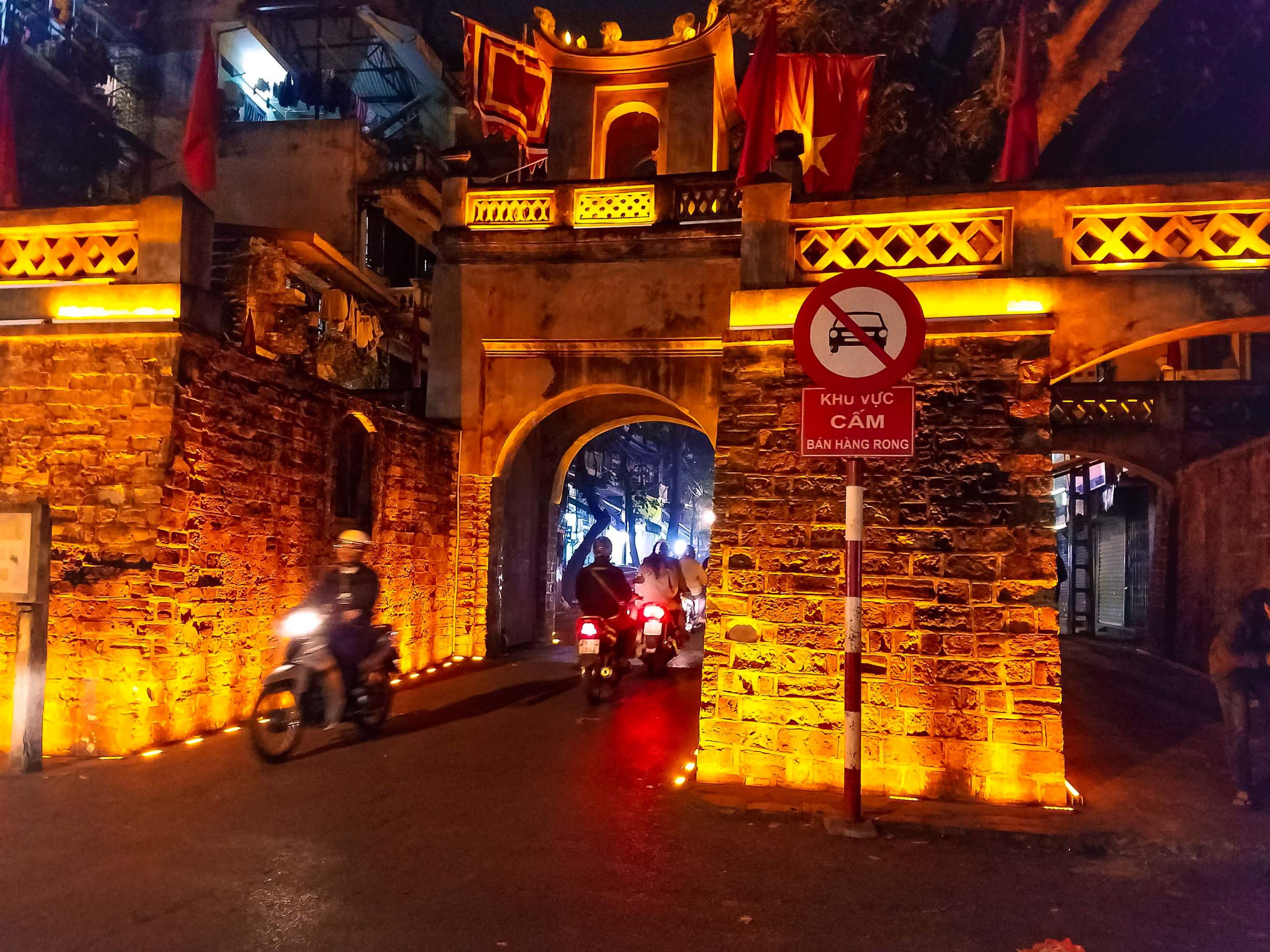
Ô Quan Chưởng: A Historical Gate, Evidence of Hanoi's Unwavering Spirit
The Uniqueness of Ô Quan Chưởng: The Historical Gate of Old Thăng Long
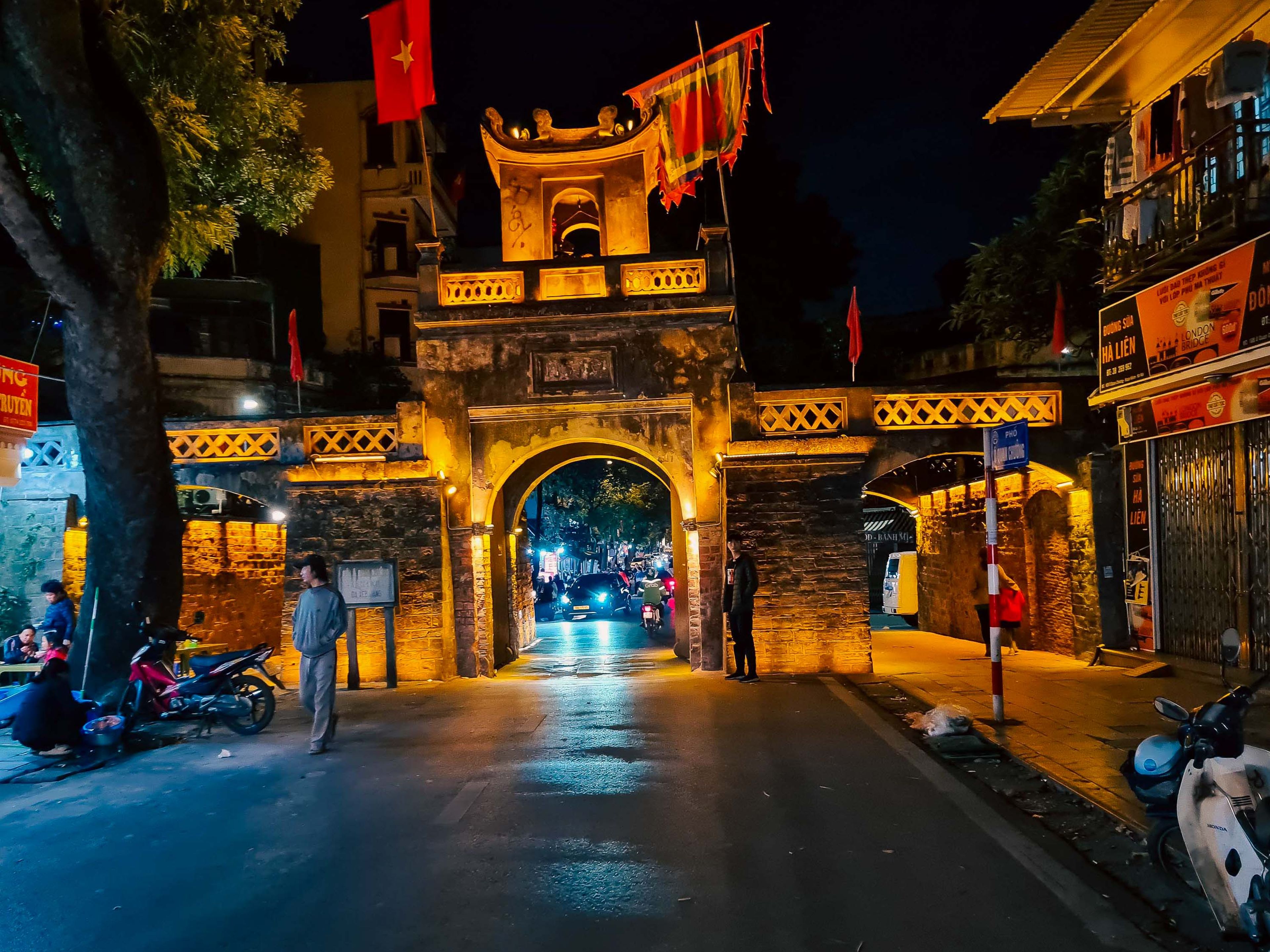
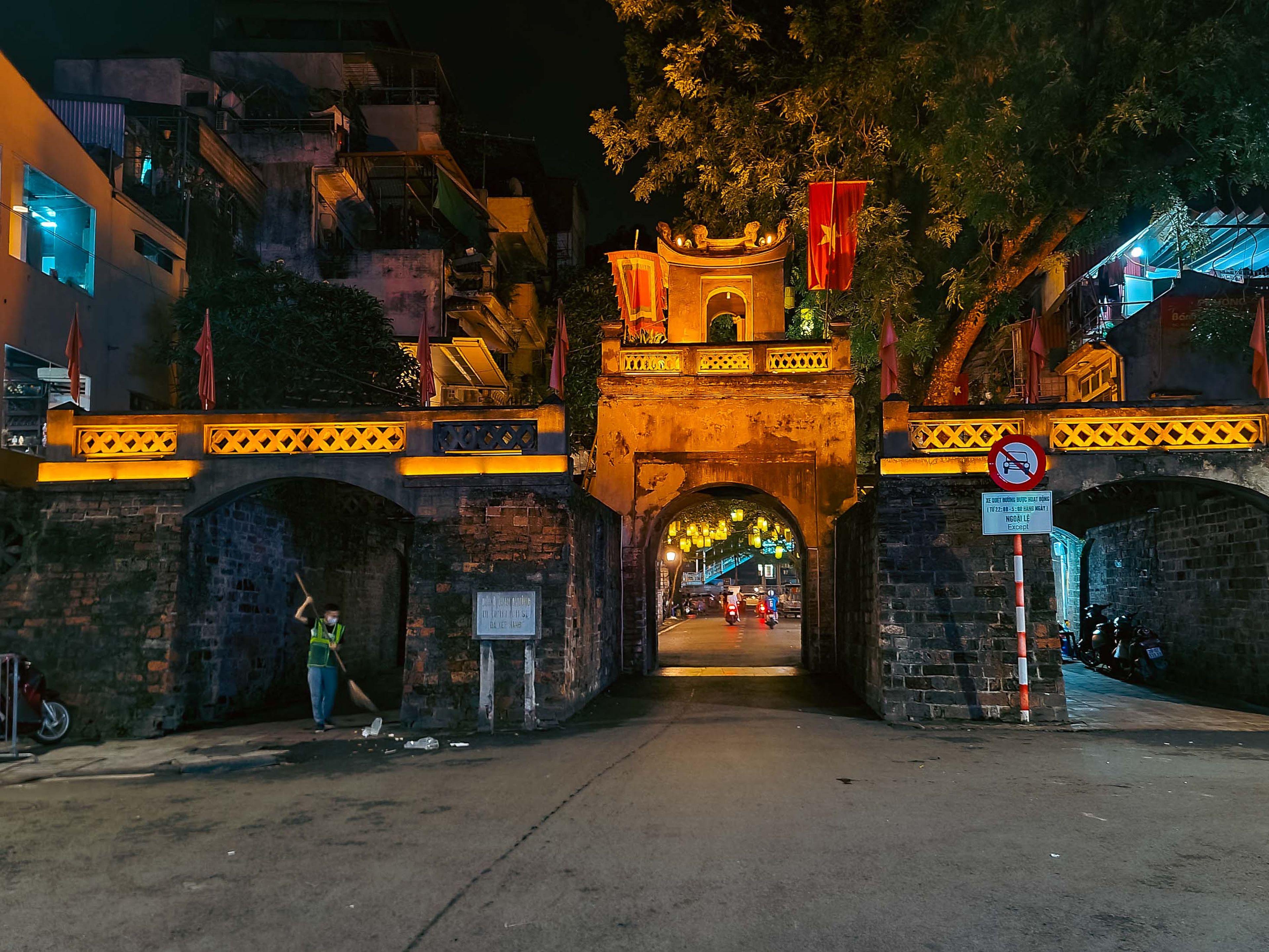
Stepping into Hanoi, amidst the bustling old town, visitors will encounter a unique historical relic - Ô Quan Chưởng, also known as Ô Đông Hà. This is the only remaining gate out of the 21 gates of the old Thăng Long citadel, a vivid testament to the glorious history of the thousand-year-old capital. Located at the intersection of Hàng Chiếu and Đào Duy Từ streets, Hoan Kiem district, Ô Quan Chưởng is not only an ancient architectural work but also a witness to history, marking the ups and downs of Hanoi over the centuries.
History of Formation and Meaning of the Name: Linked to the Heroic Spirit of Thăng Long
Ô Quan Chưởng was built in 1749 during the reign of King Lê Hiển Tông, initially named Đông Hà Môn (Dong Ha Gate). This gate was located to the east of the citadel, just 80 meters from the Red River, facilitating travel and commerce, contributing to the economic development of Thăng Long at that time.
However, the name Ô Quan Chưởng hides a heroic historical story. It was named in honor of official Chưởng Cơ, who bravely sacrificed himself along with 100 Nguyen dynasty soldiers in the battle to defend the gate against the French attack in 1873. His courageous actions and those of the soldiers became a symbol of the unwavering and resilient spirit of the people of Hanoi in the struggle to defend their country.
Unique Architecture: The Ancient Beauty of the Nguyen Dynasty
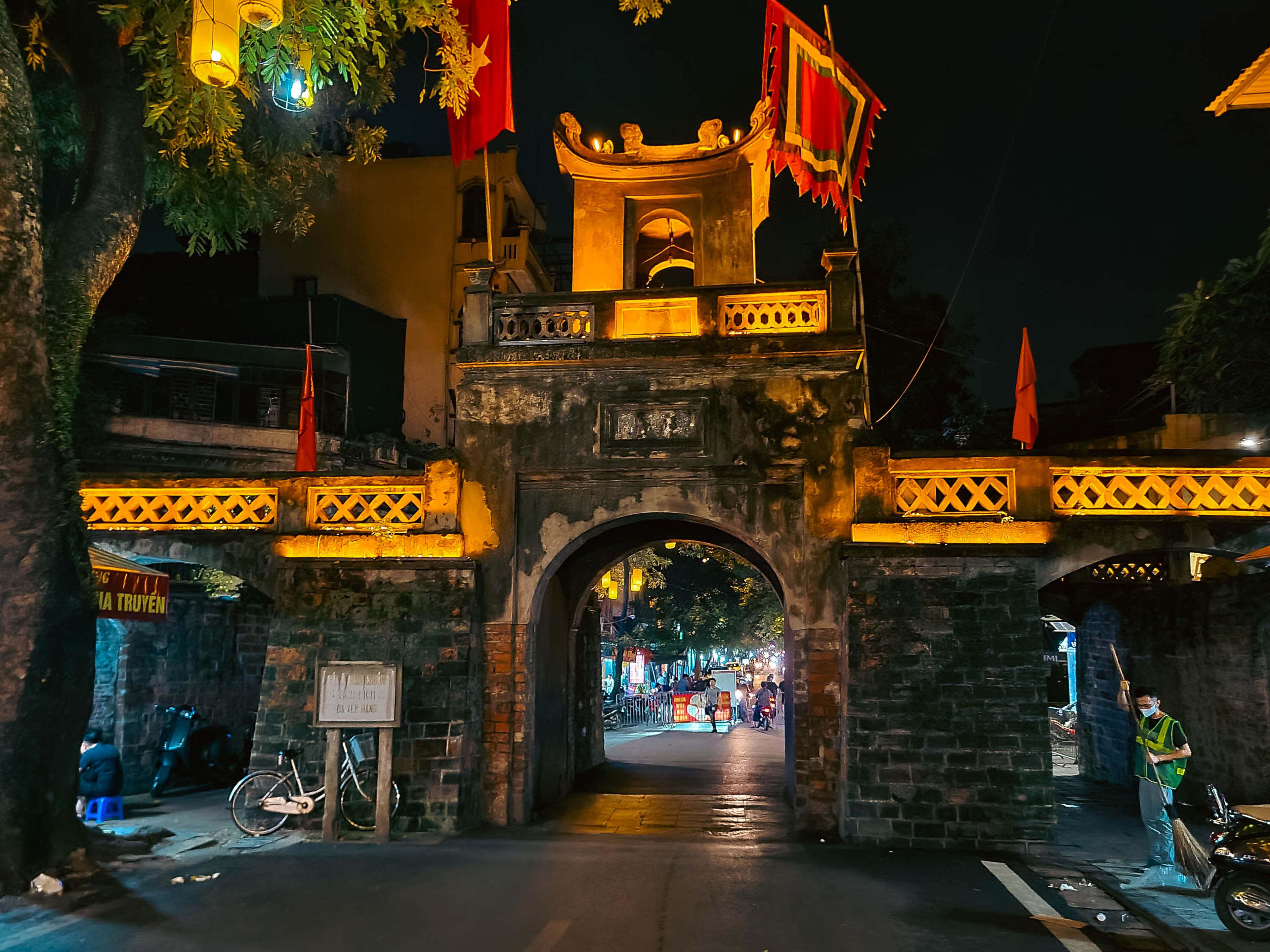
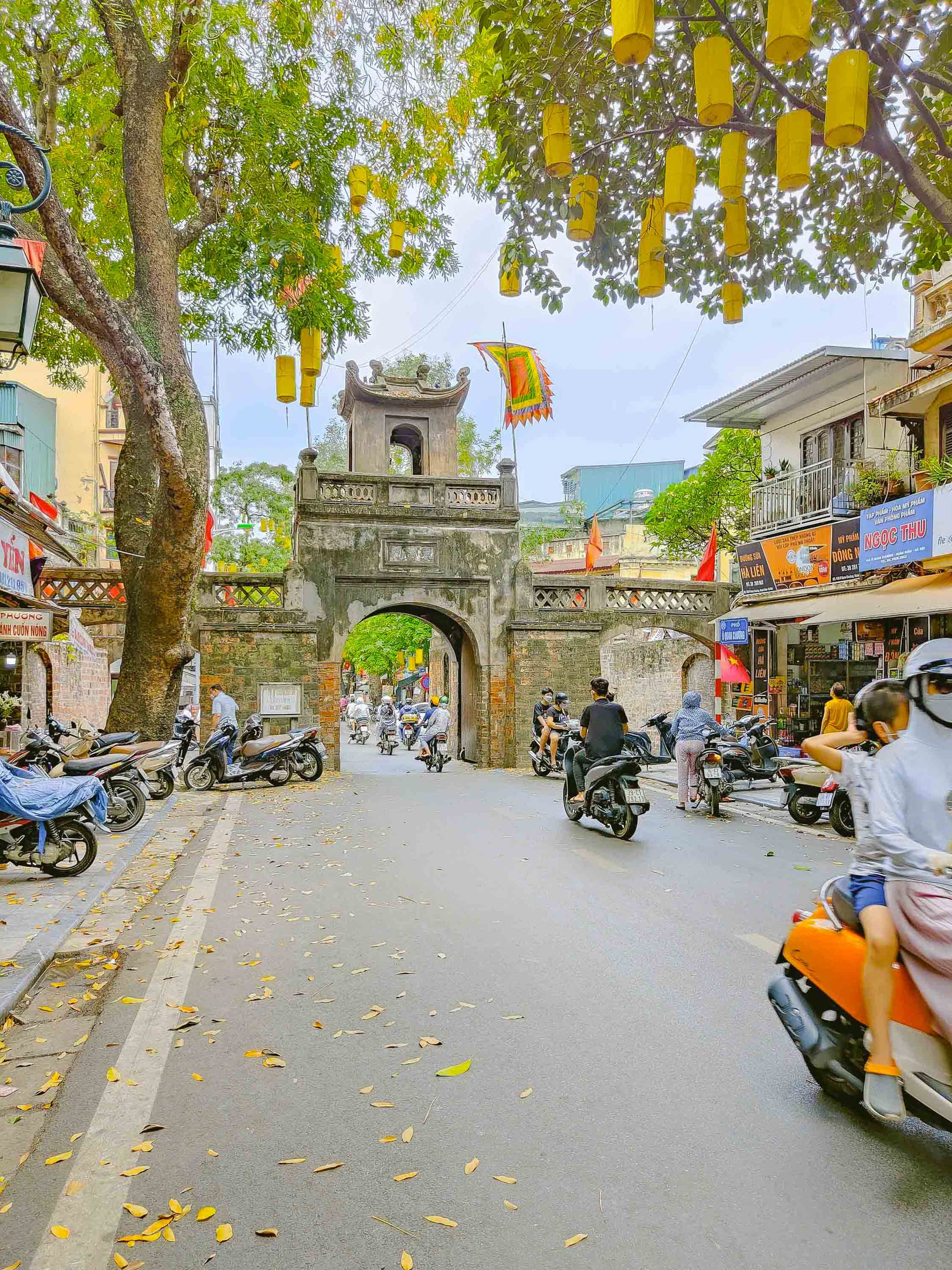
Ô Quan Chưởng was built in the style of a "vọng lâu" (watchtower), a characteristic architectural style of the Nguyen dynasty, demonstrating the sophistication and uniqueness of the ancient people's construction art. The gate consists of two floors, the lower floor has three doors (one main door and two side doors), the upper floor is a watchtower with a curved roof and a surrounding railing, creating a spacious and majestic space.
On the left wall of the main door is a stone tablet recording the order to prohibit the gate guards from harassing the people, placed by Governor General Hoàng Diệu in 1881. Between the top of the main gate and under the watchtower, there are three large Chinese characters "Đông Hà Môn", reflecting the solemnity and authority of the gate.
Witness to History: Marking the Ups and Downs of Hanoi
Ô Quan Chưởng has witnessed many important historical events in Hanoi. During the French invasion, this gate was the site of fierce battles between the Nguyen dynasty army and the French forces. This event left a deep impression in history, reflecting the resilience of the people of Hanoi in the fight against foreign invaders. After conquering Hanoi, the French colonialists destroyed most of the gates and citadels, but Ô Quan Chưởng was preserved intact thanks to the strong opposition of the local people and officials.
Symbol of Unwavering Spirit: A Reminder of the Heroic Past
The existence of Ô Quan Chưởng is not only a historical fortune but also a symbol of the unwavering and resilient spirit of the people of Hanoi. The gate serves as a reminder of the heroic past and the will to fight to protect the country of our ancestors. It is evidence of the strength of will and patriotism, symbolizing the unwavering spirit of the people of Hanoi throughout history.
Cultural and Tourist Destination: Connecting the Past and Present
Today, Ô Quan Chưởng is a popular cultural and tourist destination, attracting domestic and international tourists. Visitors come here not only to admire the unique architecture of the gate but also to learn about the history and culture of Hanoi. This is an ideal place for visitors to learn about the heroic past of the capital, while immersing themselves in the unique cultural space of Hanoi. Ô Quan Chưởng is also a favorite photo spot for many people, especially during festivals.
The Historical Gate, Symbol of Hanoi
Although it no longer retains its original beauty, Ô Quan Chưởng remains an important historical witness and a cultural symbol of Hanoi. It will forever be an integral part of the memories and hearts of the capital's residents. Ô Quan Chưởng is a reminder of the heroic past, the unwavering spirit of the people of Hanoi, and a testament to the permanence of Vietnamese culture.