The Turtle Tower: A Unique Architectural Symbol in the Heart of Hoan Kiem Lake
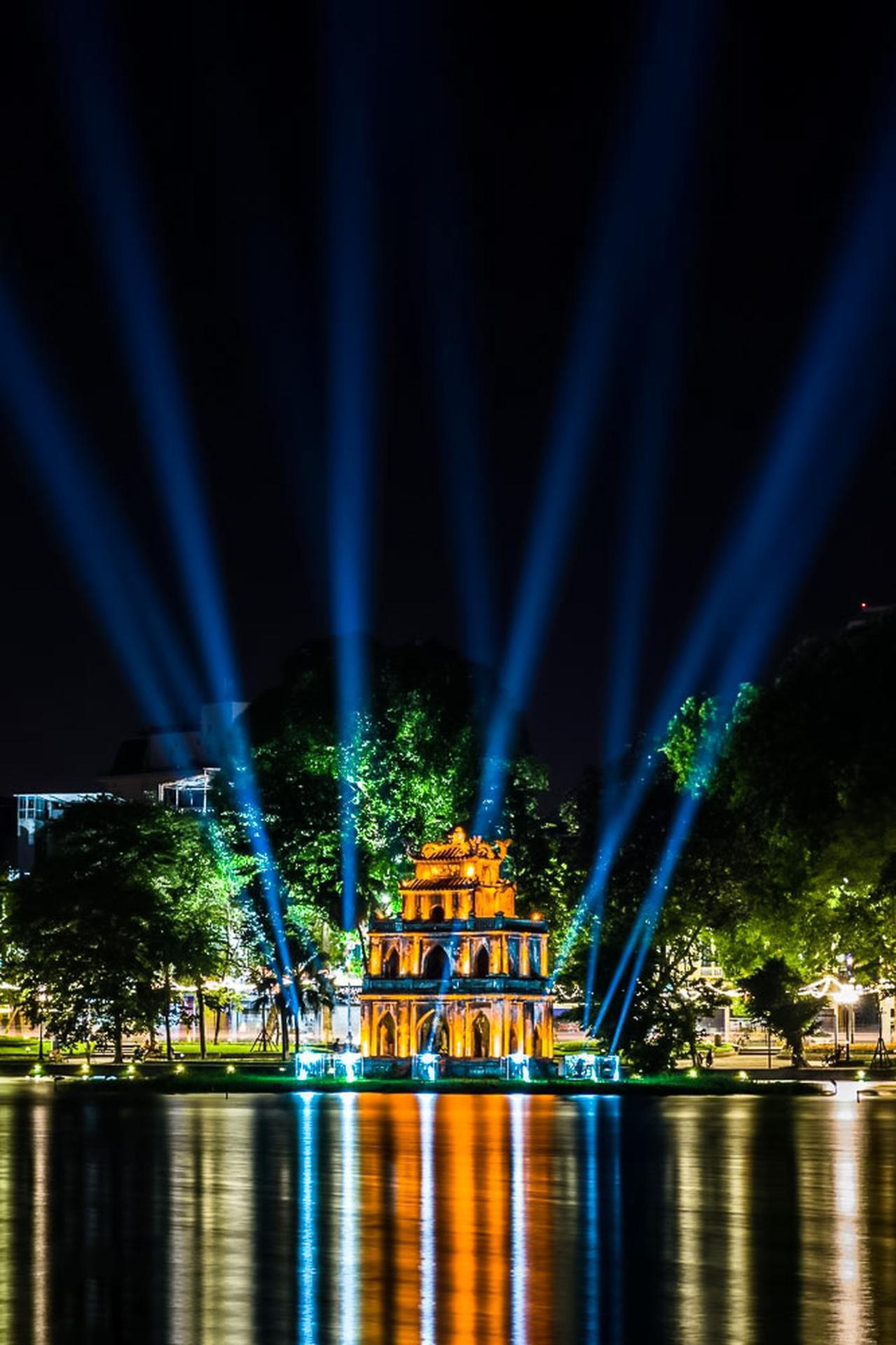
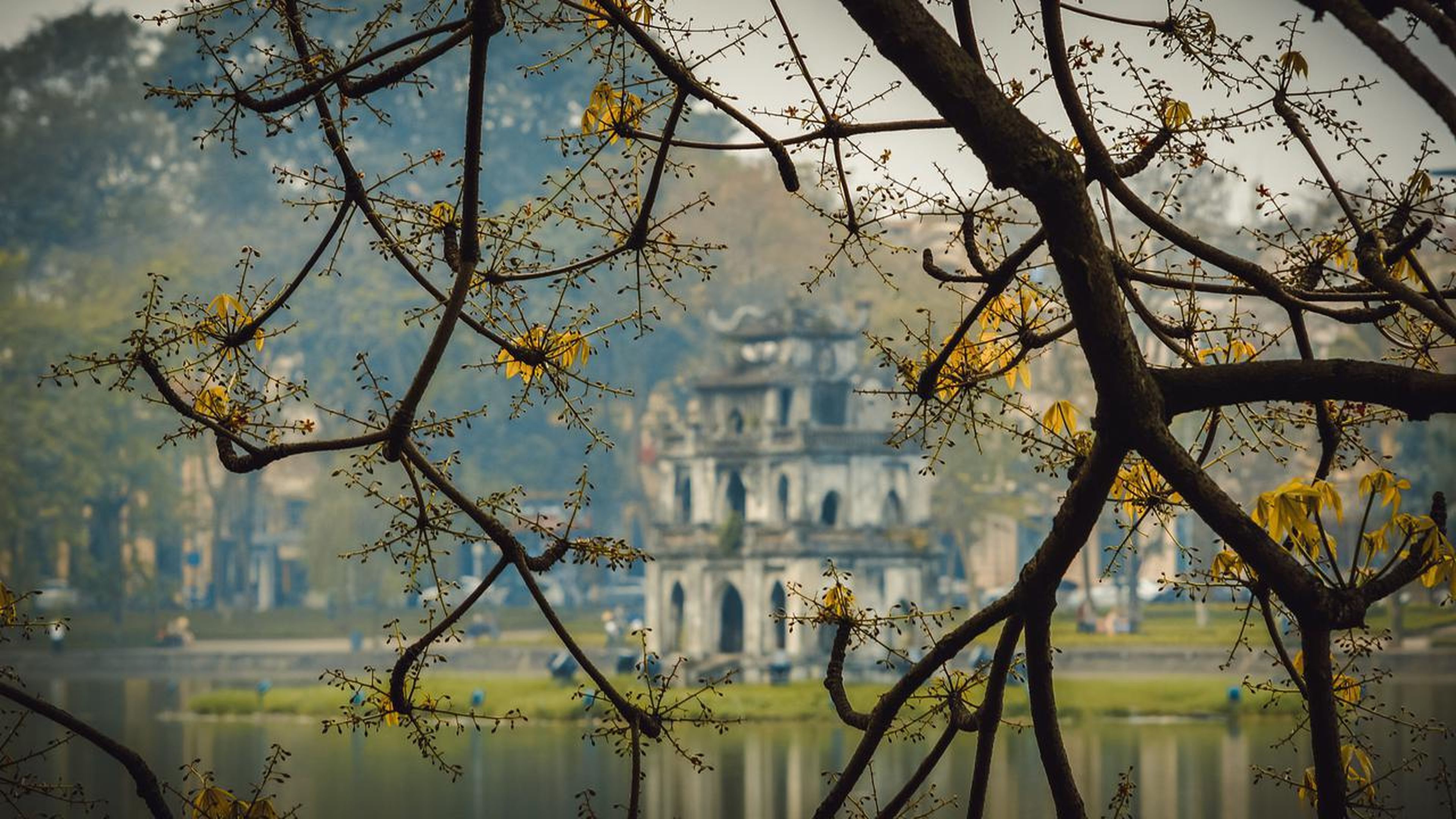
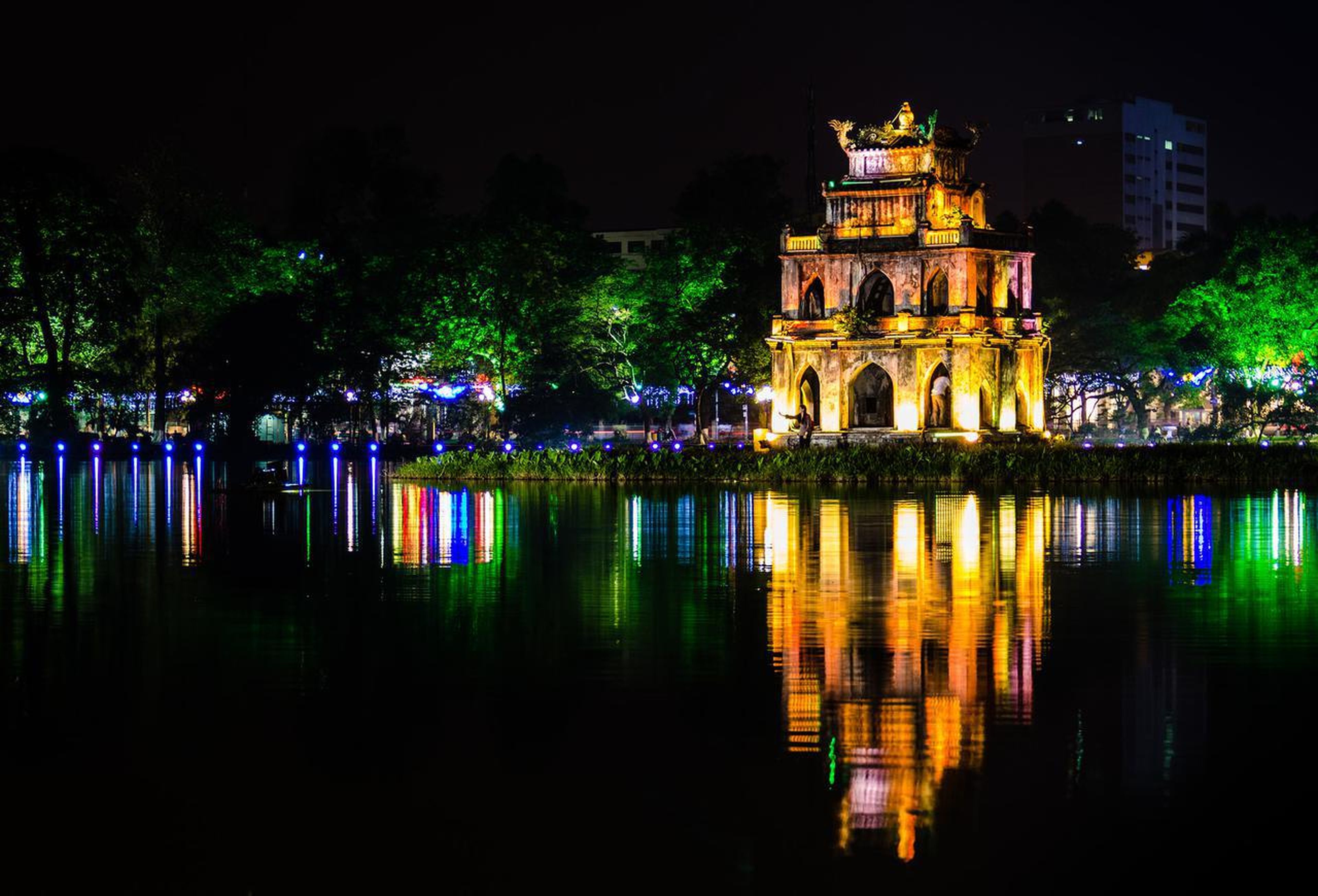
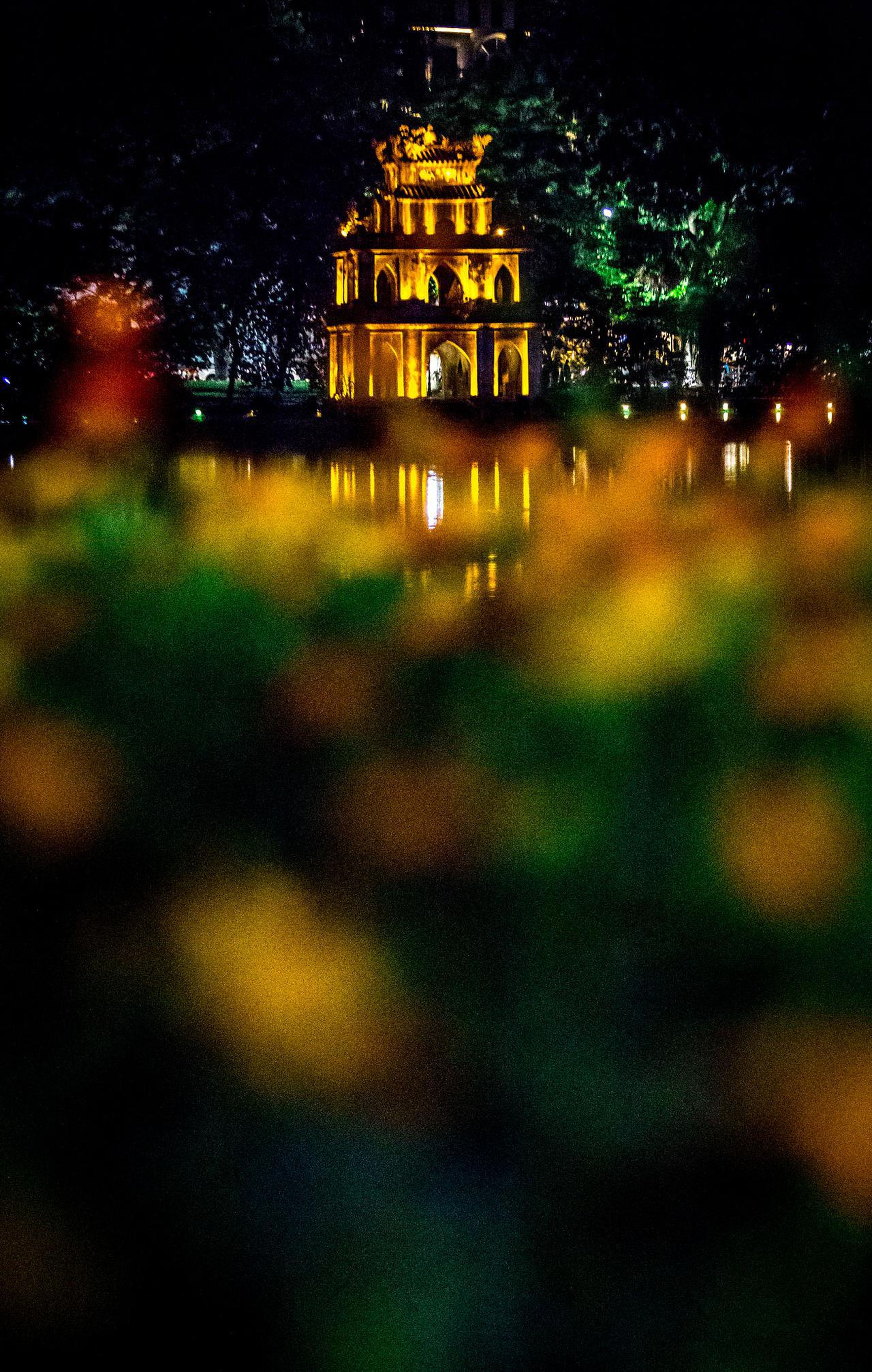
Standing majestically on Turtle Hill in the heart of Hoan Kiem Lake (a lake in Hanoi, Vietnam), the Turtle Tower is a vivid testament to the sophisticated blend of Western architecture and Vietnamese cultural identity. More than just a unique architectural structure, the Turtle Tower also holds within it heroic historical tales and mysterious legends, contributing to the creation of a distinctive cultural symbol of Hanoi.
History of Formation and Unique Architecture
The Turtle Tower was built from 1884 to 1886 during the French colonial period, on Turtle Hill - the former site of the "Dieu Dai" (a stone pavilion) during the reign of King Le Thanh Tong and the "Ta Vong" (a temple) during the Le Trung Hung period. Notably, the Turtle Tower was not a random construction. Initially, Nguyen Ngoc Kim, a translator during the French colonial period, wanted to build the tower to bury the remains of his father. However, this plan did not materialize, and the tower was named the "Ba Ho Kim Tower".
The architecture of the Turtle Tower is a delicate fusion of two unique styles:
- European style: Clearly evident through the Gothic arched doors on the two lower floors, bringing a classic and dignified beauty.
- Native architecture: Traditional beauty is expressed through the characteristic curved roof of Vietnamese architecture, creating harmony with the surrounding landscape.
The Turtle Tower is square-shaped, with three floors, built on a mound of earth about 350 square meters wide. The bottom floor is the widest, narrowing towards the upper floors. Each of the east and west sides has three arched doors, while the south and north sides have two pointed arched doors. On top of the tower is a five-pointed star, adding a touch of solemnity to the entire structure.
First Floor: Built on a foundation 0.8 meters high, it has a rectangular shape with 10 pointed arched doors. The inside is divided into three interconnected compartments.
Second Floor: Set back from the first floor, it also consists of three compartments with similar architecture to the first floor but smaller in size.
Third Floor: Even smaller, it has only one circular door on the east side. Inside is an altar where local residents often come to offer incense, praying for peace and good luck.
Top Floor: Like a square pavilion, each side is 2 meters long. On the wall facing east is the inscription "Quy Son Thap" (Turtle Mountain Tower), confirming the unique location and proud beauty of the structure.
The total height from the ground to the top of the tower is 8.8 meters, signifying its majesty and firmness, like an affirmation of the Turtle Tower's enduring life through generations.
The Story of Construction and Transformations Over Time
The Turtle Tower has undergone many historical ups and downs, witnessing the changes of the times. During the French colonial period, a small replica of the Statue of Liberty was placed on top of the tower, reflecting the influence of Western culture on Vietnam. However, this statue was demolished in the 1950s, leaving a historical mark of the country's upheavals.
Cultural and Historical Symbol
The Turtle Tower is not just a unique architectural structure but also a significant cultural and historical symbol of Hanoi. It is associated with the legend of King Le Loi returning the sword, demonstrating the spirit of independence and self-reliance of the Vietnamese people.
The majestic image of the Turtle Tower in the heart of Hoan Kiem Lake, like a testament to the strength and unwavering spirit of the Vietnamese people, has become an immortal cultural symbol, passed down through generations.
Attractive Tourist Destination
Today, the Turtle Tower is an unmissable destination for visitors to Hoan Kiem Lake. Visitors can admire the unique architectural beauty of the tower, learn about its history and the legendary stories associated with it. Taking a walk on Turtle Hill, visitors will feel the peace and quiet, blending into the picturesque natural scenery of Hoan Kiem Lake.
In addition, visitors can visit nearby tourist attractions like Ngoc Son Temple, The Huc Bridge, to further explore the history and culture of Hanoi.
The Turtle Tower is not only a historical site but also a symbol of Hanoi, a destination rich in the cultural and spiritual values of the people of the capital.