Xa Loi Pagoda: Where History, Culture, and Spirituality Intertwine
Located in the heart of the bustling Ho Chi Minh City, Xa Loi Pagoda stands as a peaceful oasis, a meeting point of spirituality and history, attracting visitors from all corners of the country. Situated at 89 Ba Huyen Thanh Quan Street, District 3, the pagoda is one of the largest and most significant pagodas in the history of Vietnamese Buddhism.
Unique Architecture, A Fusion of Cultures
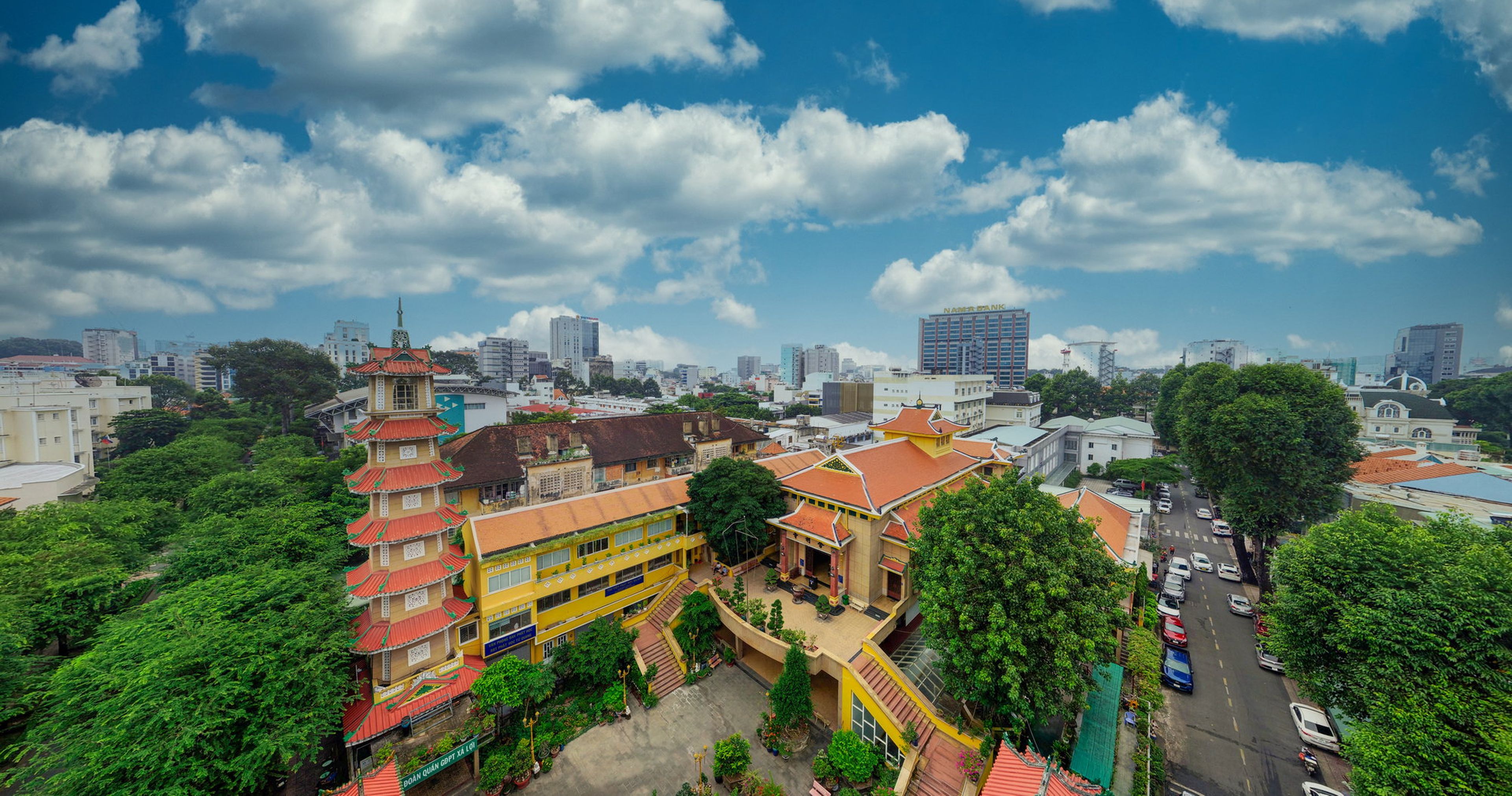
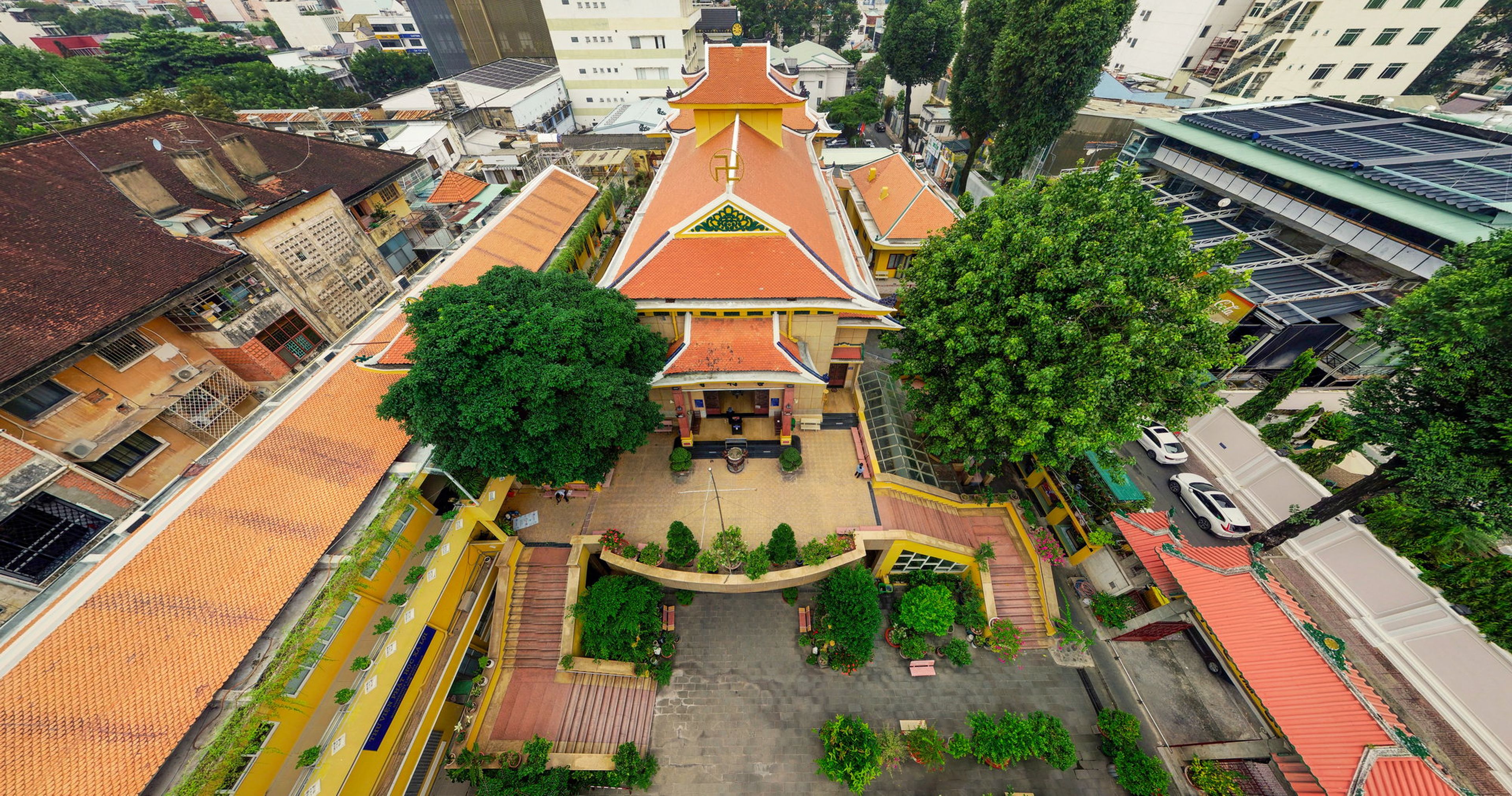
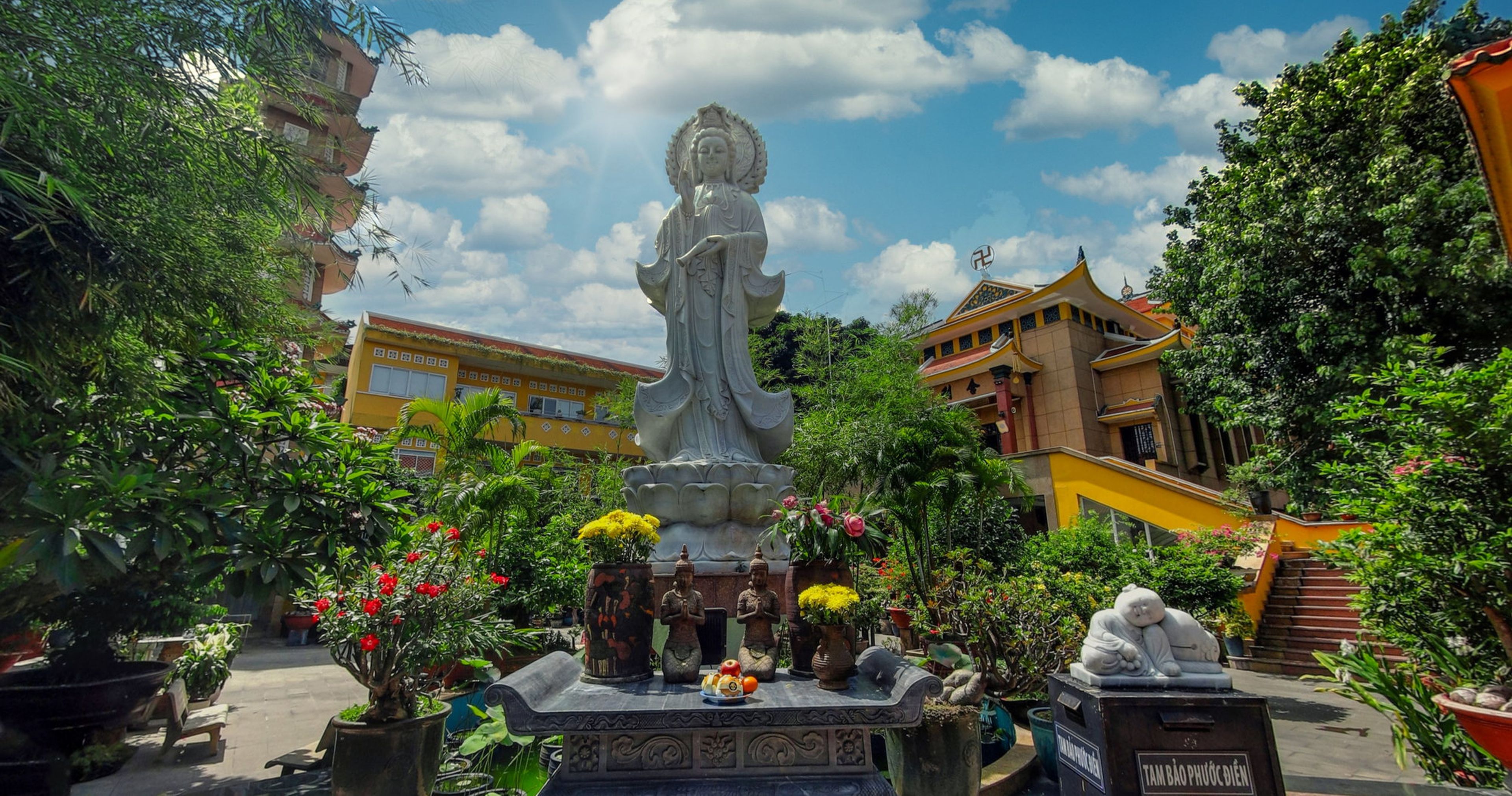
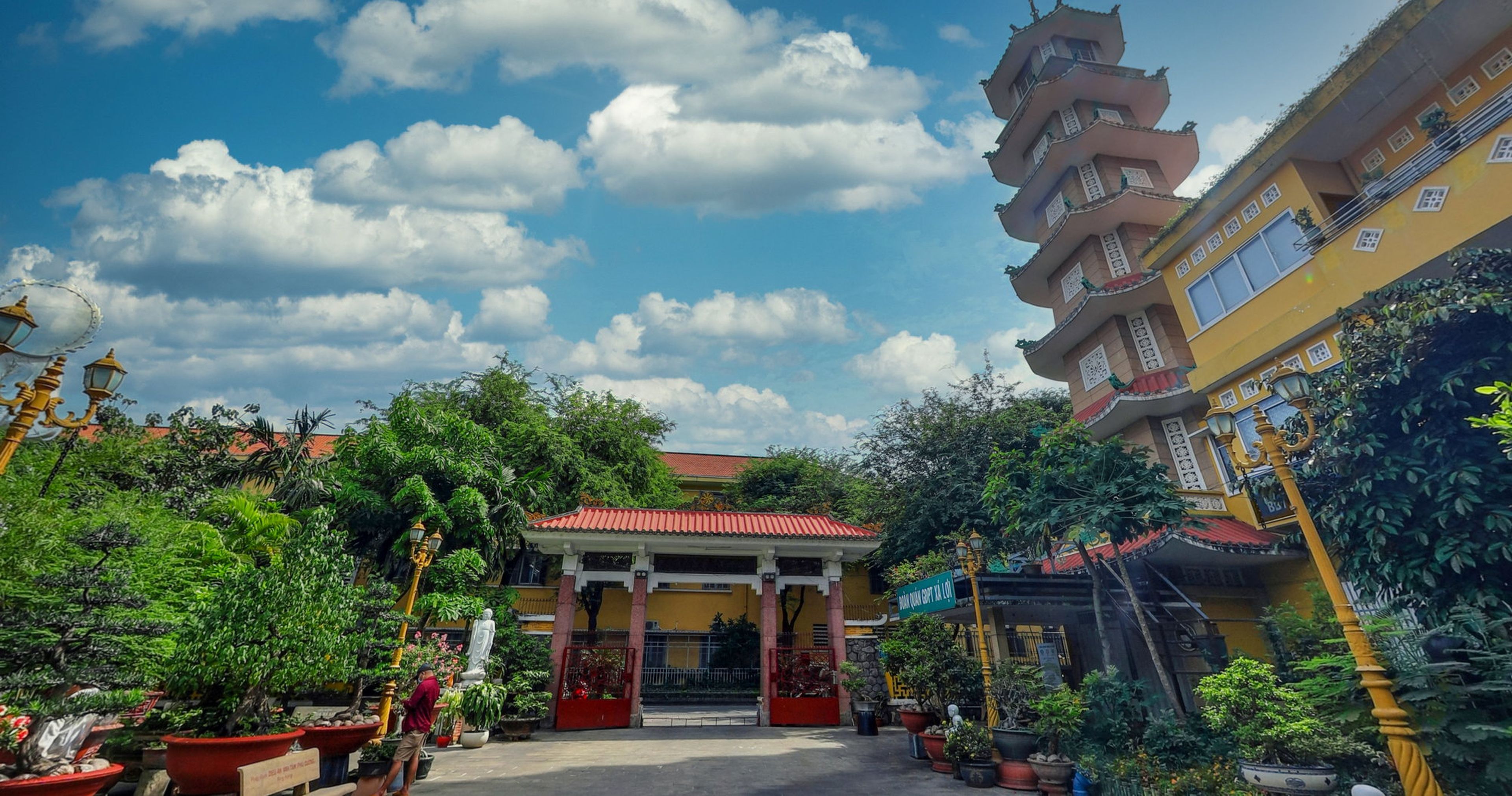
Xa Loi Pagoda boasts a unique architectural style, harmoniously blending modern and traditional elements. Unlike traditional pagodas, which typically have only one floor, the pagoda is designed with an upper floor, creating a spacious and majestic atmosphere.
Traditional architectural features are evident in intricate details such as the curved roof edges, the seven-story bell tower, and the spacious main hall, all bearing the strong imprint of Vietnamese culture. Additionally, the pagoda is adorned with bas-relief sculptures and paintings depicting Buddhist themes, forming a harmonious architectural ensemble with high aesthetic value.
Buddhist and Academic Center
Xa Loi Pagoda is not only a place of worship but also a significant center of Buddhism and scholarship. From 1951 to 1981, the pagoda served as the headquarters of the Southern Vietnamese Buddhist Association, making significant contributions to the research and dissemination of Buddhism in the South.
Notably, the pagoda houses an ancient palm leaf manuscript written in Pali script, dating back over 1,000 years. This valuable scripture is testament to the development of Buddhism in Vietnam since ancient times, contributing to the affirmation of the pagoda's historical and cultural value.
Historical Evidence - Preserving Memories
Xa Loi Pagoda is also an important historical landmark, interwoven with the heroic chapters of the nation's history. The pagoda witnessed numerous protests and freedom-of-religion struggles organized by Buddhists against the Ngo Dinh Diem regime in the 1960s.
The courageous actions of monks and Buddhists contributed to the fall of the dictatorship, affirming Buddhism's crucial role in the fight for the country's independence and freedom.
Spiritual and Cultural Experience at Xa Loi Pagoda
Stepping into Xa Loi Pagoda, visitors are immersed in a serene atmosphere, listening to the resonant chime of the pagoda bell, feeling the tranquility and peace within their souls.
Visiting and Praying:
Visitors can offer incense, pay respects to the Buddha, and pray for peace in the main hall and other shrines within the pagoda. The pagoda's solemn and cozy atmosphere will help visitors find inner peace and serenity.
Exploring Architecture:
Discover the unique beauty of the pagoda's architecture, especially the seven-story bell tower and the main hall. Each architectural detail holds a specific meaning, showcasing the artistry of ancient artisans.
Learning about Buddhist History:
Visitors can learn about the formation and development of the pagoda, as well as its role in Vietnamese Buddhist history.
Research and Study:
The pagoda's library holds many valuable Buddhist materials, an ideal place for those wishing to delve deeper into this religion.
Relaxation and Meditation:
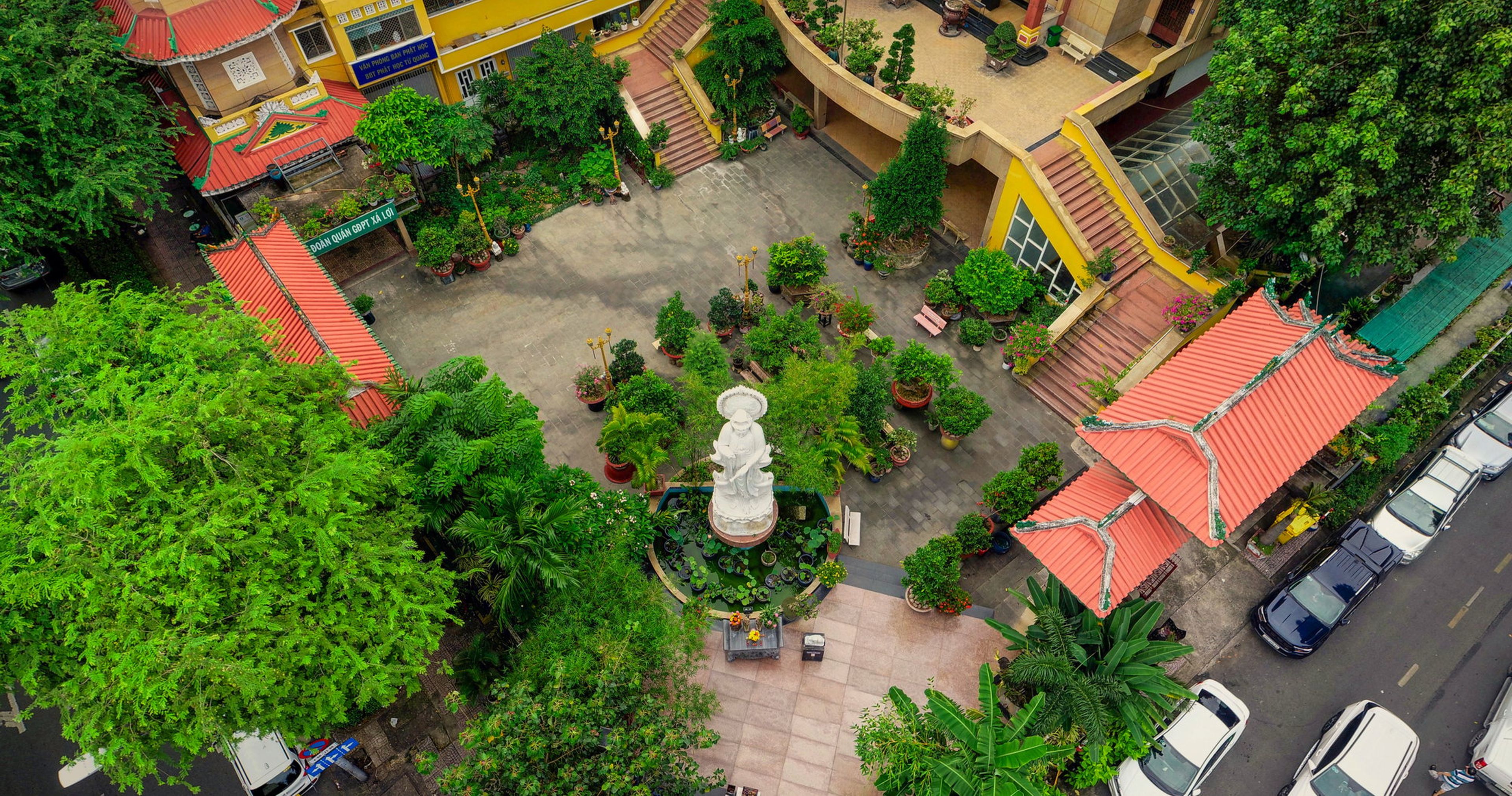
Stroll through the spacious, green grounds of the pagoda to enjoy the peaceful atmosphere and find inner peace.
Visitor Information
- Address: 89 Ba Huyen Thanh Quan, Ward 7, District 3, Ho Chi Minh City
- Opening Hours: 7:00 AM - 7:00 PM daily
Xa Loi Pagoda is an ideal destination for visitors seeking inner peace, exploring unique architecture, and learning about Vietnamese Buddhist history. Visitors will experience moments of relaxation, tranquility, and feel the sacred cultural and spiritual values of the pagoda.