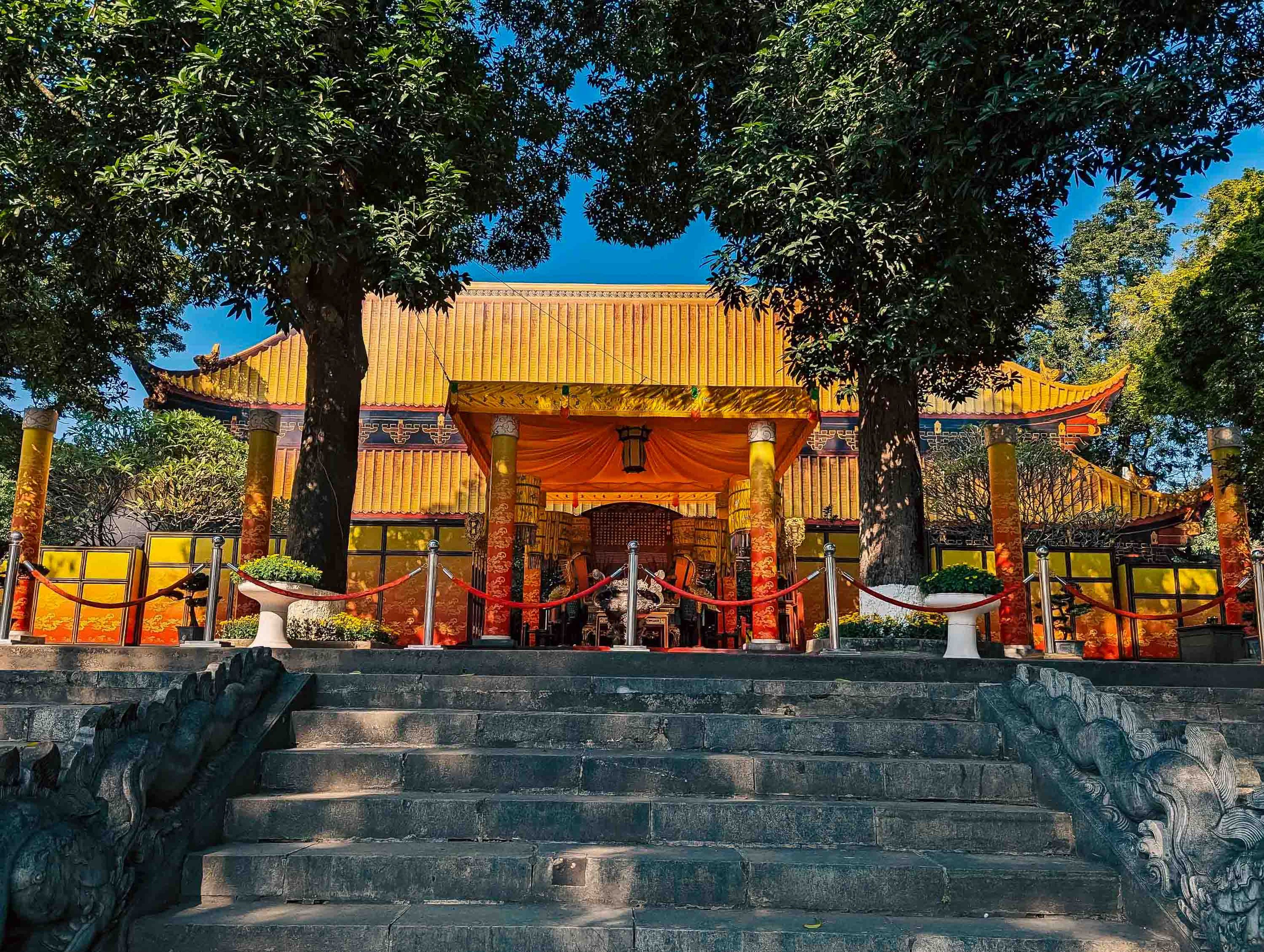
Thang Long Imperial Citadel: A Journey Through 13 Centuries of History - A World Heritage Site
Stepping into the Heart of History - Where the Flow of Time Leaves its Mark
Have you ever dreamed of visiting a place that preserves the complete story of a nation? A place where history is "naturally" retold through every brick, every ancient wall, every artifact that holds countless fascinating stories? Join me on a journey to Thang Long Imperial Citadel, a World Heritage Site, a powerful testament to the 13-century history of the Vietnamese people.
Grand Architecture - Where Power and Culture Converge
Located in the heart of Hanoi, Thang Long Imperial Citadel is a massive historical complex, once the center of power of the country, closely linked to the history of Thang Long - Dong Kinh capital and Hanoi province. This place bears the mark of many dynasties, from the pre-Thang Long period (7th century) to the time of Hanoi Citadel under the Nguyen dynasty.
With its unique architecture, having gone through many historical periods, Thang Long Imperial Citadel has become one of the most important historical sites in Vietnam. On August 1, 2010, UNESCO officially recognized the Thang Long Imperial Citadel - Hanoi Center Area as a World Heritage Site, acknowledging the outstanding universal value of this historical site.
World Heritage - Beauty Intact Through Time
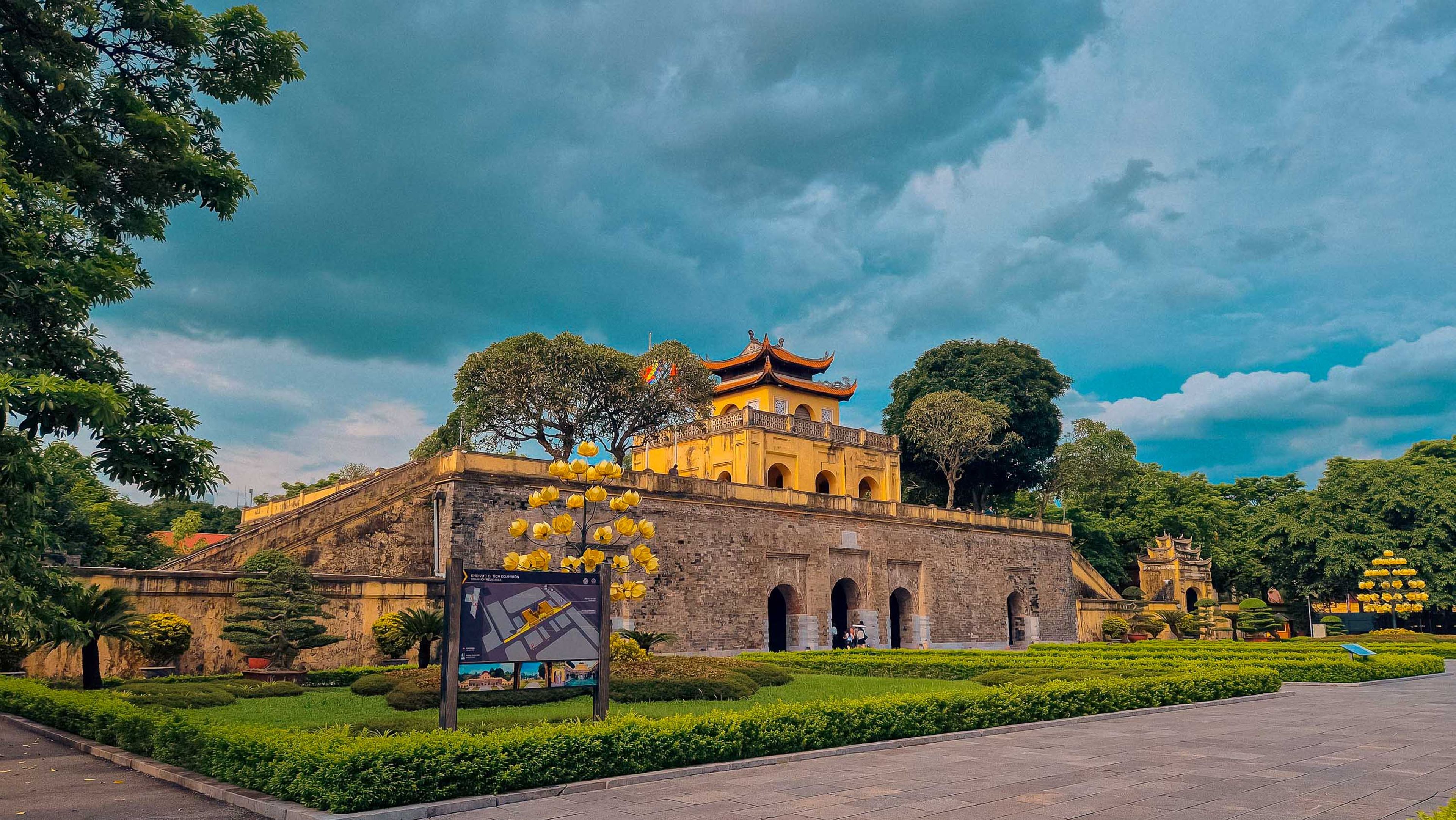
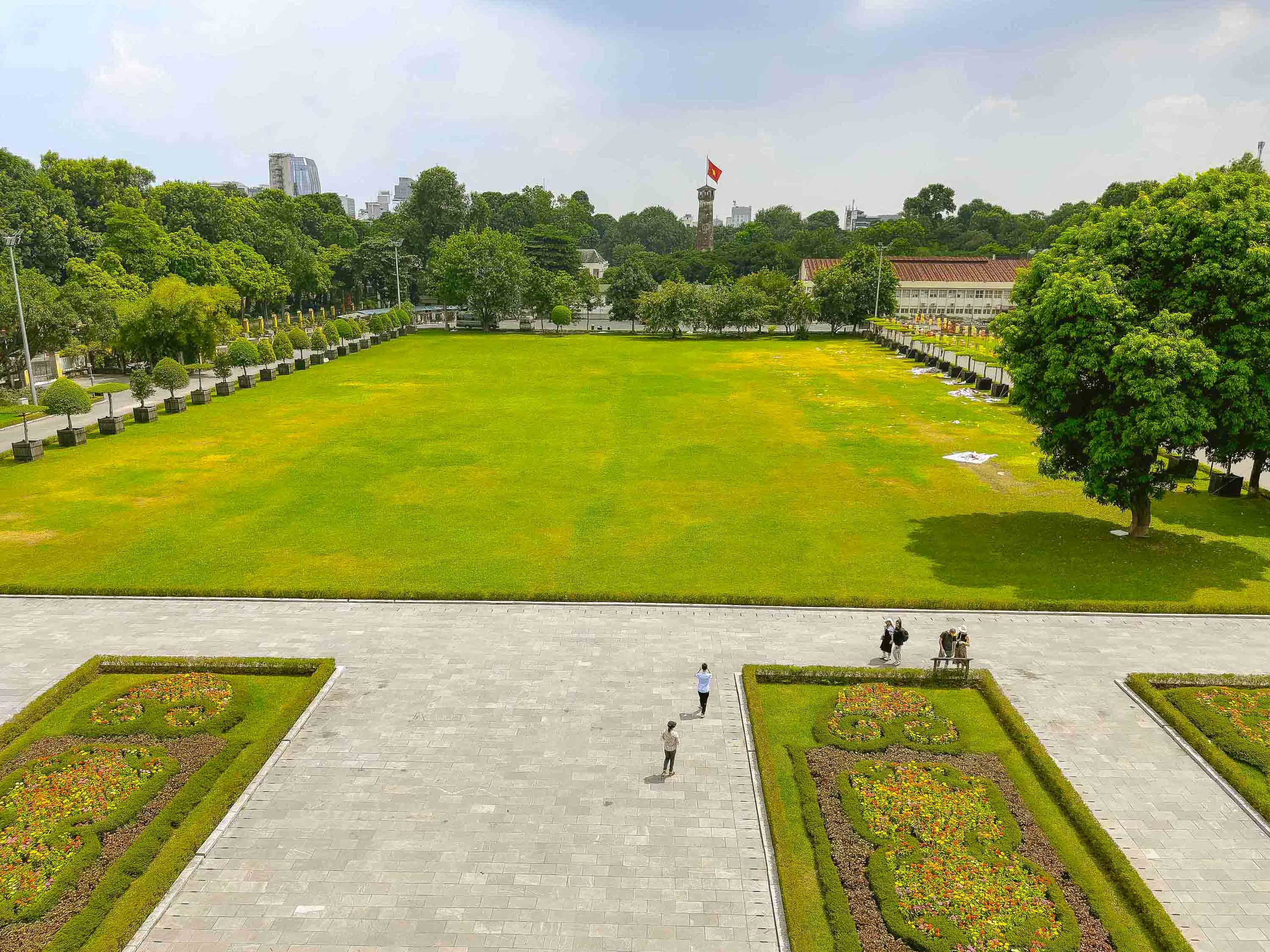
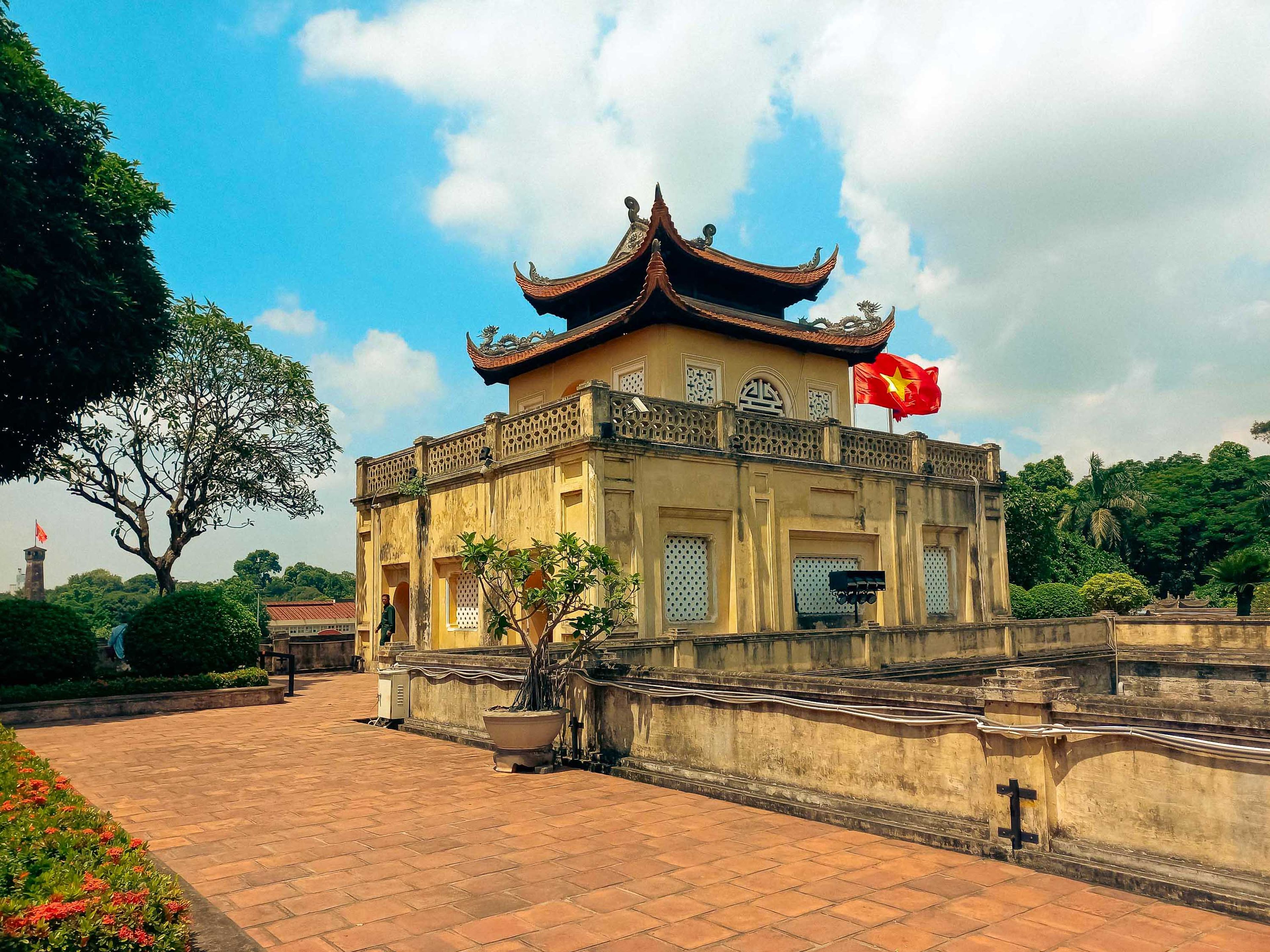
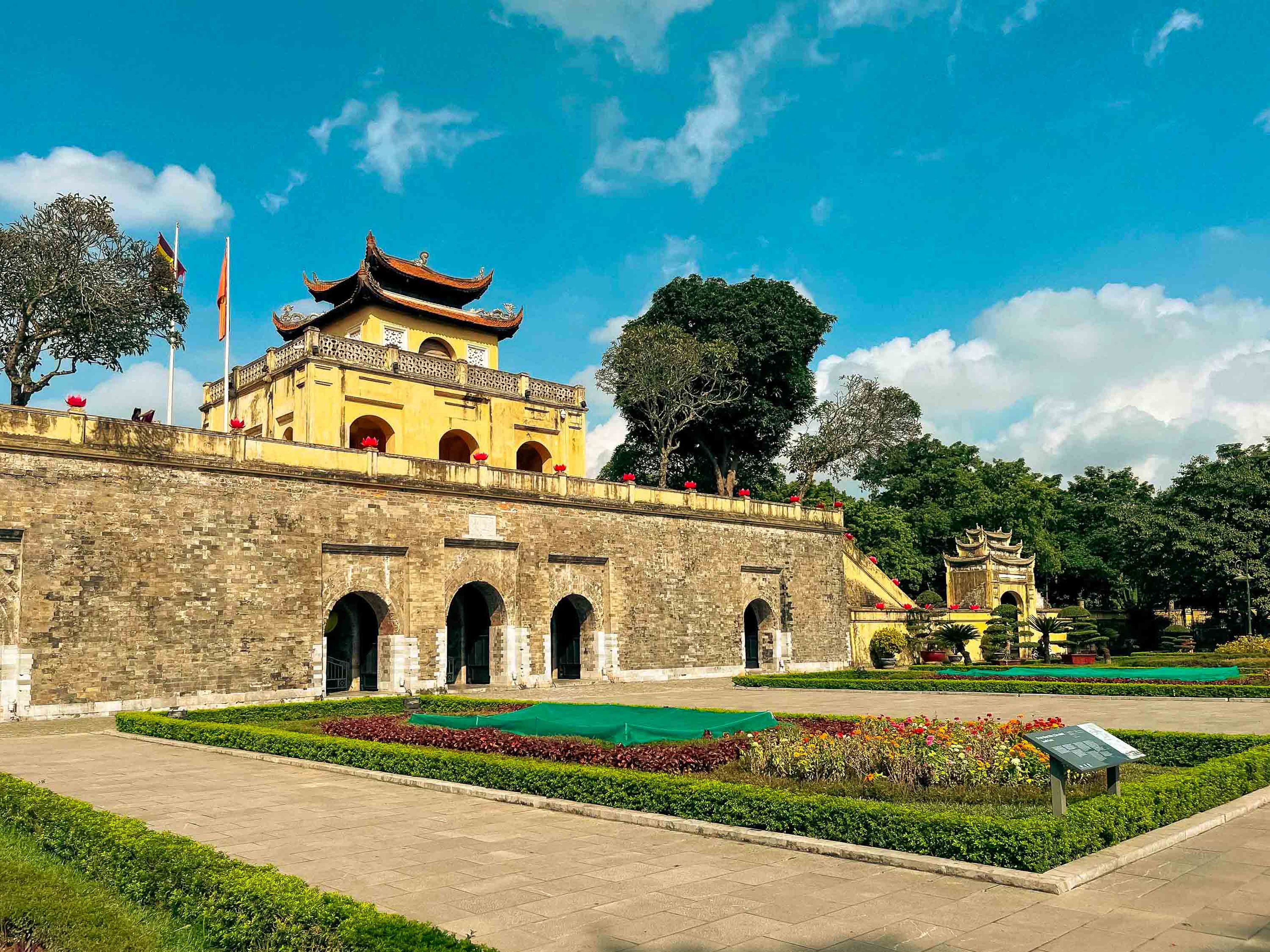
The Thang Long Imperial Citadel World Heritage Site spans 20 hectares, including the 18 Hoang Dieu archaeological site and the area bounded by Dien Bien Phu, Nguyen Tri Phuong, Phan Dinh Phung, and Hoang Dieu streets. The total area of the Thang Long Imperial Citadel complex is 18,395 hectares, including archaeological sites, Doan Mon Gate, Hanoi flagpole, Kinh Thien Palace, House D67, Bac Mon Gate, Hau Lau, city walls and 8 gatehouses during the Nguyen dynasty.
Journey Through History - From the Founding of the Nation to Modern Times
In 1010, King Ly Thai To moved the capital from Hoa Lu to Dai La Citadel and renamed it Thang Long. Thang Long Citadel was built according to the model of Tam Trung Citadel (triple enclosure), including La Citadel, Imperial Citadel and Forbidden City, reflecting the majesty and stability of the dynasty.
Throughout the Ly and Tran dynasties, the Imperial Citadel was built and expanded with many magnificent palaces, a gathering place for the cultural and architectural essence of the time. This was once the political, economic, and cultural center of the country, witnessing many momentous historical events.
During the Le dynasty, the Imperial Citadel continued to be strengthened and developed, reaffirming Thang Long's position as the center of power of the whole country.
During the Nguyen dynasty, Thang Long was renamed Hanoi and became the provincial capital. Hanoi Citadel was partially destroyed by the French to build offices and military camps, marking a turbulent period in history.
Since 1954, the Imperial Citadel area has become the headquarters of the Ministry of Defense, a meaningful transition, continuing the historical flow of a sacred land.
Outstanding Universal Value - A Testimony to the Vitality of a Culture
UNESCO has recognized Thang Long Imperial Citadel as a World Heritage Site based on three outstanding features:
- A 13-century history of cultural continuity: This site is a powerful testament to the continuous development of Thang Long - Hanoi capital over many dynasties, demonstrating the vibrant life of a long-standing culture.
- Continuity of heritage as a center of power: Thang Long Imperial Citadel has always been the political, economic, and cultural center of the country for centuries, demonstrating the strength and importance of this heritage.
- Diverse and abundant layers of archaeological remains and artifacts: The site contains many layers of archaeological remains and artifacts from different historical periods, reflecting the diversity and richness of Vietnamese culture, providing viewers with a comprehensive view of the history and culture of the country.
Thang Long Imperial Citadel Today - Where Past and Present Intertwine
Today, Thang Long Imperial Citadel is an attractive destination for domestic and foreign tourists. This is not only a place to visit, to learn about history, but also a cultural space, where important cultural and artistic events are organized, contributing to the preservation and promotion of the value of heritage.
Connecting Heritage - A Source of Inspiration for Future Generations
With its unique historical, cultural, and architectural values, Thang Long Imperial Citadel deserves to be one of the most precious cultural heritages of Vietnam and the world. This place is not only a testament to the development of a nation but also an endless source of inspiration for future generations, awakening national pride and faith in the enduring strength of Vietnamese culture.
Come to Thang Long Imperial Citadel, to feel the pulse of history, to immerse yourself in the flow of time, to find your roots and to love Vietnam even more!